
Fall River Is Entering a New Era of Growth
For decades, Fall River has been one of Massachusetts' most affordable cities for homeownership, but 2026 may mark a turning point in the city's evolution.
Between the arrival of South Coast Rail, waterfront redevelopment, mill conversions, new housing construction, and significant public infrastructure investments, Fall River is experiencing one of the largest waves of reinvestment in its modern history.
For:
- First-time homebuyers
- Move-up buyers
- Real estate investors
- Existing homeowners
these projects could create opportunities that haven't existed in the city for years.
The most exciting part? Much of this development is focused on improving quality of life for residents while creating new housing, jobs, transportation options, and economic activity. The opening of rail service connecting Fall River to Boston is already reshaping how buyers and developers view the city.
Why New Development Matters
When cities attract new public and private investment, the benefits often extend far beyond the construction site.
New development can:
- Increase housing options
- Improve infrastructure
- Create jobs
- Expand the local tax base
- Support local businesses
- Increase property values over time
- Improve community amenities
For Fall River, many of these projects are occurring simultaneously.
South Coast Rail: The Catalyst Behind Much of the Growth
The single most impactful development affecting Fall River is likely South Coast Rail.
After decades of planning, passenger rail service now connects Fall River to Boston for the first time in generations. This improved regional connectivity has significantly increased interest from commuters, investors, developers, and employers.
Benefits for Residents
Homebuyers
Buyers who previously felt priced out of Greater Boston now have another option for accessing employment centers while enjoying lower housing costs.
Existing Homeowners
Improved transportation infrastructure often increases demand for housing located near transit corridors.
Investors
Transit-oriented development has historically attracted higher levels of investment because access to transportation creates long-term demand.
The Waterfront Transformation
For years, Fall River's elevated Route 79 limited access between neighborhoods and the waterfront.
Today, that barrier is gone.
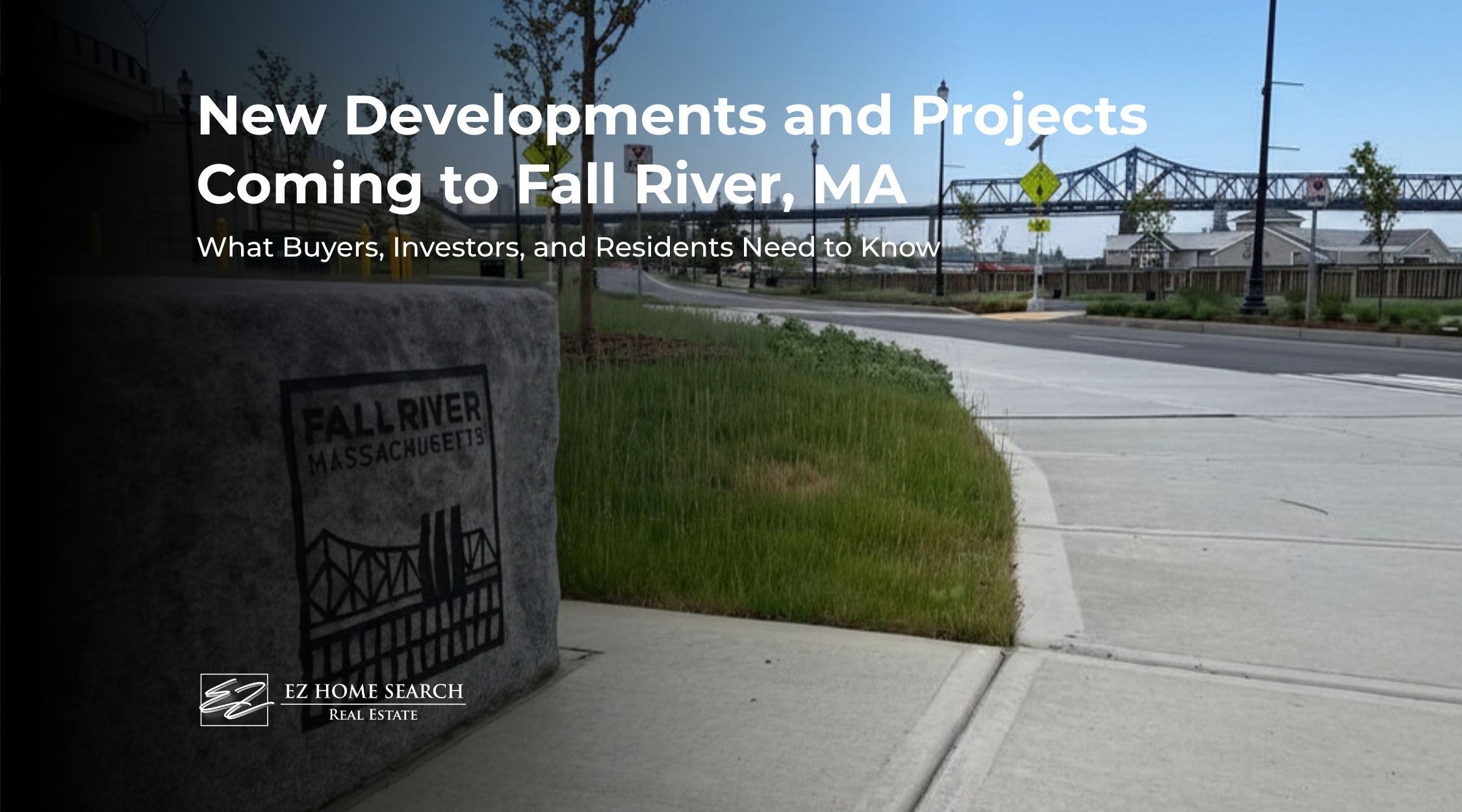
The Route 79/Davol Street Corridor project replaced the former elevated highway with an urban boulevard designed to reconnect residents with the waterfront while opening large areas for future development. The project also improves pedestrian access, bicycle infrastructure, and connections to South Coast Rail.
What Is Planned?
Current redevelopment plans along the Davol Street corridor envision:
- New residential buildings
- Mixed-use development
- Public open spaces
- Walkable neighborhoods
- Improved waterfront access
- Additional housing opportunities
Planning documents contemplate multiple residential buildings that could create an entirely new waterfront neighborhood for Fall River. Learn more and see artist renderings at: From Highway to Neighborhood: Reconnecting Fall River to Its Waterfront.
Mill Redevelopment Projects Continue to Transform the City
One of Fall River's greatest assets is its collection of historic textile mills.
Rather than sitting vacant, many of these structures are being converted into housing, commercial space, and mixed-use developments.
These projects preserve the city's industrial heritage while creating modern living spaces.
Flint Mill Redevelopment
One of the largest projects underway is the redevelopment of Flint Mill at 135 Alden Street.
Plans include:
- More than 200 residential units
- Mixed-use space
- Community amenities
- Preservation of historic architectural features
This project represents another major investment in Fall River's housing supply while helping revitalize a significant historic property.
Commonwealth Landing
Commonwealth Landing transformed a former mill building into over 100 residential units while maintaining commercial and retail uses within the property. The project demonstrates how adaptive reuse can create housing while supporting economic activity.
Sacred Heart Lofts
Former institutional and religious buildings are also being repurposed into housing opportunities, creating additional rental inventory while preserving important pieces of Fall River's architectural history.
Luxury New Construction Homes Are Arriving
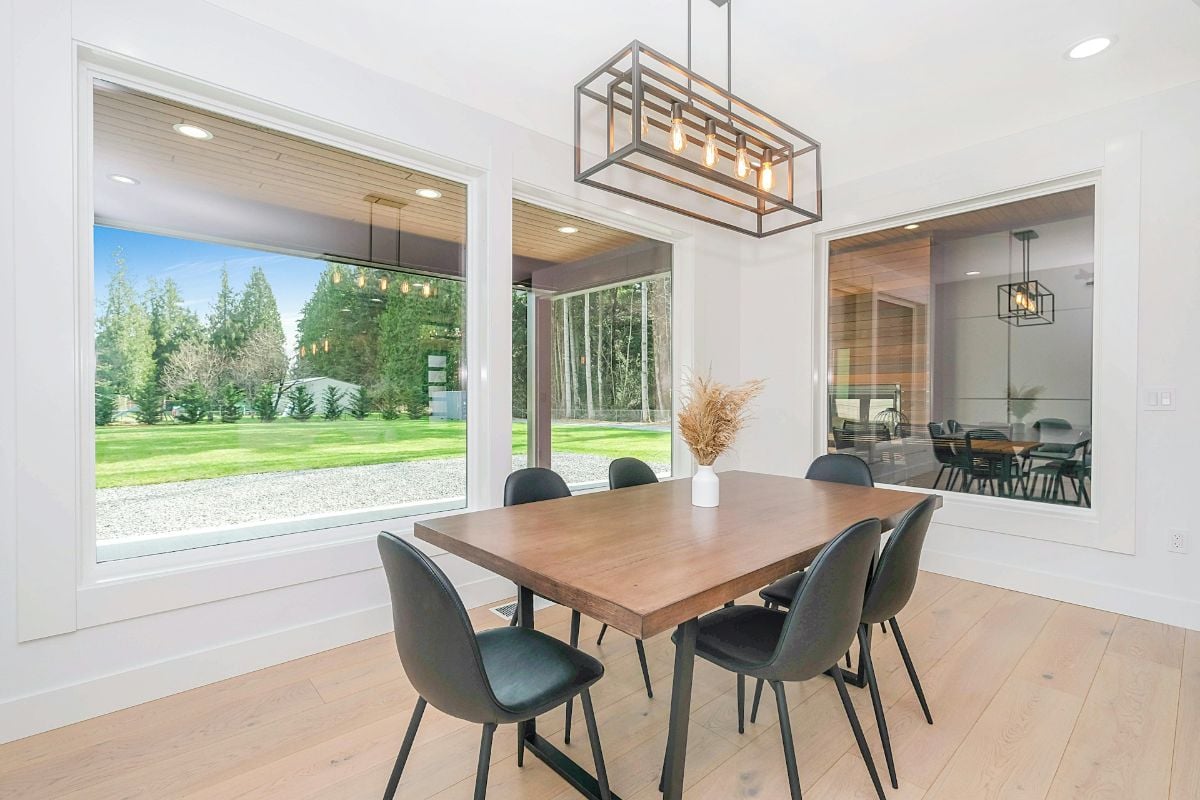
Although Fall River has historically been known for older housing stock, new construction starter homes, luxury construction opportunities are becoming increasingly available.
New Single-Family Construction
For buyers seeking modern layouts, energy efficiency, and lower maintenance requirements, new construction homes are beginning to enter the market.
Tour New Construction Home in Fall River Here:
New Construction Homes in Fall River
Benefits often include:
- Modern floor plans
- Energy-efficient systems
- New roofs and mechanicals
- Reduced maintenance costs
New Construction Condominiums
Condominium development is also helping expand ownership opportunities for buyers who want lower-maintenance living.
These properties can be particularly attractive to:
- First-time buyers
- Downsizers
- Young professionals
- Boston commuters
Expanding Rental Housing Options
One challenge facing Fall River has been a shortage of modern rental housing.
Several developments are helping address this issue.
New and redeveloped communities now offer:
- Waterfront living
- Mill loft apartments
- Transit-oriented housing
- Mixed-use communities
- Modern amenities
Projects such as Commonwealth Landing and other mill conversions have added significant rental inventory to the city.
This additional housing supply helps support:
- Workforce housing
- Economic growth
- New resident attraction
- Housing mobility for local families
Why Investors Are Watching Fall River
Investors are increasingly paying attention to Fall River because several favorable trends are converging at once:
Transportation Improvements
South Coast Rail creates new commuter demand.
Waterfront Redevelopment
New neighborhoods and public investment can drive long-term value creation.
Housing Demand
Both rental and owner-occupied housing remain in demand throughout the South Coast region.
Relative Affordability
Compared to many Massachusetts communities in and around Boston, Fall River continues to offer comparatively affordable entry points for ownership and investment.
What This Means for Existing Homeowners
Many current residents ask:
"How does all of this affect me if I'm not moving?"
New development often benefits existing homeowners by:
Increasing neighborhood investment
Improving infrastructure
Expanding local services
Supporting business growth
Enhancing community amenities
While no future appreciation is guaranteed, sustained public and private investment generally strengthens a city's long-term outlook.
What This Means for Buyers
If you're considering purchasing in Fall River, the city's ongoing transformation creates several advantages:
First-Time Buyers
- More housing options
- New condominium opportunities
- Improved transportation access
Move-Up Buyers
- New construction inventory
- Larger housing options
- Improved neighborhood amenities
Investors
- Potential for appreciation
- Strong rental demand
- Transit-oriented opportunities
- Waterfront redevelopment potential
Frequently Asked Questions
Is Fall River growing?
Yes. Fall River is experiencing significant public and private investment through South Coast Rail, waterfront redevelopment, housing projects, infrastructure improvements, and adaptive reuse developments.
Are new homes being built in Fall River?
Yes. New single-family homes and condominiums are entering the market, offering buyers modern construction options alongside the city's traditional housing stock.
Will South Coast Rail affect home values?
While future appreciation can never be guaranteed, improved transportation access often increases buyer demand and can positively influence housing markets over time.
Is Fall River a good place to invest in real estate?
Many investors are attracted to Fall River because of its affordability, rental demand, transportation improvements, and ongoing redevelopment efforts.
Final Thoughts
Fall River is no longer simply a city with potential—it is a city actively transforming itself.
From South Coast Rail and waterfront redevelopment to mill conversions, new housing construction, and major infrastructure investments, the city is attracting new residents, businesses, and opportunities.
For existing homeowners, these projects can strengthen the community and improve quality of life. For first-time buyers and move-up buyers, they create new housing choices. For investors, they represent the type of long-term growth story that is becoming increasingly difficult to find elsewhere in Massachusetts.
As these projects continue to move forward, Fall River's future may look very different from its past—and for many residents, that could be a very good thing.
About Christopher Terry
Christopher Terry is the Broker/Owner of E Z Home Search Real Estate Inc. and a licensed real estate broker in Massachusetts and Rhode Island. With more than 30 years of experience, Chris helps first-time buyers, homeowners, downsizing clients, and relocation buyers make informed real estate decisions throughout Fall River, South Coast Massachusetts, and Rhode Island.
His approach is centered on education, local market knowledge, and guidance before, during, and long after the transaction.
Call or text: 774-930-4595
Office: 508-646-4777
Email: [email protected]
Website: EZHomeSearch.net
When the time is right, let’s do business. In between, let’s do life.
Related Articles and Resources
Interested in learning more about Fall River's housing market, neighborhoods, and investment opportunities? Explore these related resources:
- Is Fall River, MA a Good Place to Buy a Home in 2026?
Learn why more buyers are considering Fall River for affordability, location, and long-term growth potential. - Fall River Real Estate Market Forecast 2026
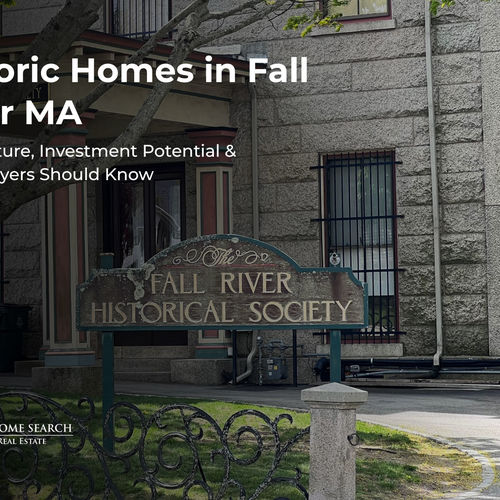
Explore local housing trends, home prices, inventory levels, and what experts are predicting for the year ahead. - Historic Homes of Fall River, MA
Discover the city's rich architectural heritage and the unique character of Fall River's historic neighborhoods. - A Guide to Fall River Neighborhoods
Compare Fall River's neighborhoods to find the best fit for your lifestyle, budget, and real estate goals. - Moving to Fall River, MA: What New Residents Should Know
A comprehensive guide covering schools, transportation, amenities, local attractions, and community resources. - First-Time Homebuyer's Guide to Fall River, MA
Helpful tips and resources for navigating the homebuying process in one of Massachusetts' most affordable housing markets.
Check out this article next