
Why Historic Homes Are Gaining Attention in Fall River
Fall River, Massachusetts is experiencing a quiet but meaningful real estate shift—and historic homes are a big part of it.
Once the textile capital of the United States, Fall River saw explosive growth in the late 1800s, building not only mills but entire neighborhoods filled with architecturally rich homes.
Today, those same homes represent a unique opportunity for investors, first-time buyers and move-up buyers looking for value, character, and long-term upside.
Victorian & Queen Anne Homes in Fall River
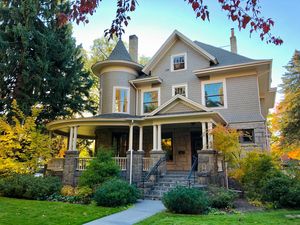
Photo by Brett Wharton on Unsplash
Most Popular: Approximately 1880–1910
Victorian and Queen Anne homes are among the most recognizable historic properties in Fall River, particularly throughout the Highlands neighborhood. Built during the city’s textile boom, these homes reflected the wealth and status of mill owners, business leaders, and professionals during Fall River’s industrial peak.
Common Characteristics
- Asymmetrical façades
- Turrets and towers
- Wraparound porches
- Decorative trim and “gingerbread” woodwork
- Steep rooflines
- Large bay windows
- Ornamental stained glass
What Makes Them Unique
These homes were designed to stand out. The craftsmanship, detail work, and scale are difficult—and often prohibitively expensive—to replicate today. Many also feature original hardwood floors, intricate staircases, pocket doors, and custom millwork that attract buyers looking for architectural character and long-term value.
💡 Investor Insight: Homes with preserved original details often command stronger resale value, especially when modernized thoughtfully without removing historic charm.
Second Empire & Gothic Revival Architecture
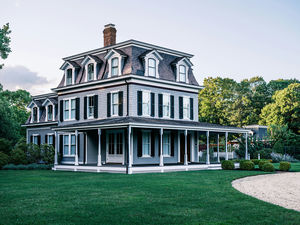
Photo by Lumin Osity on Unsplash
Most Popular: Approximately 1860–1890
Second Empire and Gothic Revival homes represent some of Fall River’s earliest large-scale luxury architecture. These styles became popular during the city’s rapid industrial expansion and can still be found in select historic neighborhoods throughout the South Coast.
Common Characteristics of Second Empire
- Mansard roofs
- Tall narrow windows
- Brick or stone façades
- Decorative iron cresting
- Symmetrical layouts
Common Characteristics of Gothic Revival
- Steeply pitched roofs
- Pointed arch windows
- Decorative vergeboards
- Vertical emphasis
- Ornate wood detailing
What Makes Them Unique
Second Empire homes are often associated with elegance and urban sophistication, while Gothic Revival homes were inspired by medieval European architecture and designed to feel dramatic and romantic. Both styles tend to feature striking curb appeal and architectural elements rarely seen in newer construction.
💡 Move-Up Buyer Insight: These homes often appeal to buyers seeking distinctive properties with historical significance and larger lot sizes in mature neighborhoods.
Colonial & Federal-Era Homes on the South Coast
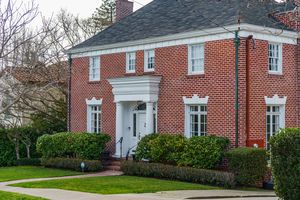
Photo by Robert So: Pexels.com
Most Popular: Approximately 1780–1850
Colonial and Federal-style homes are among the oldest residential structures in Fall River and the South Coast region. Many predate the city’s textile era and reflect early New England building traditions.
Common Characteristics
- Symmetrical design
- Central chimneys
- Simple rectangular layouts
- Multi-pane windows
- Clapboard exteriors
- Modest decorative details
- Balanced front entrances
What Makes Them Unique
These homes are prized for their historical authenticity and timeless simplicity. Their clean lines and traditional layouts continue to appeal to buyers who appreciate classic New England architecture. Because relatively few remain compared to later-era homes, well-preserved examples can become highly desirable niche properties.
💡 Investor Insight: Scarcity can drive long-term appreciation, especially for restored homes that preserve original historical elements while updating core systems.
Mid-Century Modern Homes in Fall River
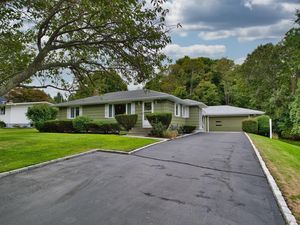
Mid-Century Modern Ranch
Most Popular: Approximately 1945–1980
While Fall River is often associated with Victorian and Colonial architecture, mid-century modern homes represent an increasingly desirable segment of the South Coast housing market. These properties are especially appealing to first-time and move-up buyers looking for open layouts, modern functionality, and architectural distinction.
Common Characteristics of Mid-Century Modern
- Low-pitched rooflines
- Large windows and natural light
- Open floor plans
- Minimal ornamentation
- Integration with outdoor spaces
- Clean horizontal lines
What Makes Them Unique
Mid-century modern homes emphasize simplicity, functionality, and connection to nature—qualities that continue to resonate with today’s buyers.
As buyer preferences continue shifting toward open living spaces and lifestyle-focused design, these homes have gained significant popularity among younger professionals and move-up buyers relocating to the South Coast.
💡 Move-Up Buyer Insight: Updated mid-century homes often attract premium buyers because they combine architectural identity with layouts that feel more compatible with modern living.
Triple-Deckers & Multi-Family Historic Properties
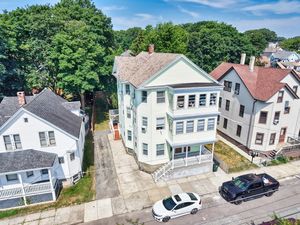
Triple-decker in Fall River
Most Popular: Approximately 1890–1930
Triple-deckers became one of the defining housing types of Fall River during the height of the textile industry. Designed to efficiently house mill workers and multi-generational families, these properties remain a major part of the city’s housing inventory today.
Common Characteristics
- Three stacked residential units
- Wood-frame construction
- Front porches on each level
- Compact but functional layouts
- Shared yard or driveway space
- Strong rental utility
What Makes Them Unique
Triple-deckers were built for practicality and density, but over time they have become iconic New England investment properties. Their ability to generate multiple income streams while maintaining relatively affordable acquisition costs makes them attractive to both first-time investors and experienced landlords.
In many South Coast communities, updated triple-deckers continue to see strong demand due to limited housing supply and ongoing affordability challenges.
💡 Investor Insight: Multi-family historic properties can offer a rare combination of cash flow, appreciation potential, and long-term rental demand in supply-constrained markets like Fall River.
Why Historic Homes Could Be a Smart Investment
1. Supply Is Finite
Historic homes aren’t being built anymore. In fact, many were lost during mid-20th century redevelopment.
👉 Scarcity drives long-term value.
2. The Highlands & Historic District Momentum
- Over 90 blocks of historic homes exist in the Highlands area
- Preservation efforts and design guidelines are expanding
👉 Historically, preservation = rising property values.
3. Mill Conversions + Waterfront Redevelopment
- Old mills are being converted into apartments and mixed-use spaces
- Waterfront areas are seeing renewed interest
- Younger buyers and investors are entering the market
👉 This creates a halo effect, increasing demand for surrounding historic housing.
What Buyers Should Watch Out For
Renovation Costs
- Electrical, plumbing, roofing can be outdated
- Historic materials often require specialized labor
Historic Restrictions
- Some homes fall within preservation districts
- Exterior changes may be regulated
Layout Limitations
- Smaller kitchens, segmented floor plans
- May need modernization for today’s buyers
Chris’s Insight: How to Win With Historic Homes in Fall River
If you’re thinking like an investor or strategic buyer, here’s the reality:
- The biggest opportunities are in properties that need cosmetic—not structural—updates
- The Highlands remains one of the most underappreciated historic neighborhoods in Massachusetts
- Multi-family historic homes offer the strongest combination of:
- Cash flow
- Appreciation
- Long-term rental demand
The buyers who win in markets like Fall River are the ones who recognize value before the broader market catches up.
FAQ About Historic Homes in Fall River
Are historic homes in Fall River a good investment?
Yes—due to limited supply, strong architectural appeal, and ongoing redevelopment, historic homes can offer both appreciation and rental income potential.
What is the most popular historic neighborhood in Fall River?
The Highlands is the most well-known, featuring Victorian and Colonial homes with preserved character and strong buyer demand.
Are there restrictions when buying a historic home?
In designated districts, exterior changes to historically significant properties may require approval, but not all historic homes fall under strict regulation.
Do historic homes cost more to maintain?
Often yes—due to older systems and materials—but strategic upgrades can significantly increase property value.
Stay Connected: Service for Life with Christopher Terry
Real estate decisions don’t happen in a vacuum—and the most successful buyers and sellers stay informed before they act.
Service for Life with Christopher Terry delivers practical guidance, local market updates, and smart strategies for buyers and sellers across the South Coast of Massachusetts and Rhode Island. From emerging market trends to neighborhood-level insights and real-world deal strategies, this newsletter is designed to give you an edge in a constantly changing market.
Subscribe & Stay Ahead of the South Coast Market.
Exploring Fall River and South Coast MA?
If you’re exploring historic homes as part of a larger buying or investment strategy, you may also find these related insights helpful.
- For a broader market overview, see our breakdown of whether Fall River is a smart place to buy right now, including pricing trends and demand indicators.
- If you're focused on timing, our Fall River market forecast dives into where values may be heading and what that means for buyers entering the market today.
- For more location-specific strategy, our Guide to the Best Neighborhoods in Fall River highlights where investors and move-up buyers are finding the strongest opportunities based on property type, appreciation potential, and rental demand.
Together, these resources provide a more complete picture to help you make informed, strategic decisions.
About Christopher Terry
Christopher Terry is the Broker/Owner of E Z Home Search Real Estate Inc. and a licensed real estate broker in Massachusetts and Rhode Island. With more than 30 years of experience, Chris helps first-time buyers, homeowners, downsizing clients, and relocation buyers make informed real estate decisions throughout Fall River, South Coast Massachusetts, and Rhode Island.
His approach is centered on education, local market knowledge, and guidance before, during, and long after the transaction.
Call or text: 774-930-4595
Office: 508-646-4777
Email: [email protected]
Website: EZHomeSearch.net
When the time is right, let’s do business. In between, let’s do life.
Helpful Resources:
Buyer’s Guide | Seller’s Guide | Home Selling Plan | Fall River Community Guide
Check out this article next